Why Choose Medical Grade Stainless Steel for Surgical Instruments?

Time:2026-05-01 Author:Liam
0%

Surgical instruments play a critical role in healthcare. Their quality directly impacts patient safety and surgical outcomes. Hence, choosing the right materials is essential. A common question arises: Why is medical grade stainless steel used for surgical instruments?

Medical grade stainless steel is known for its excellent durability and corrosion resistance. It withstands sterilization without compromising structural integrity. This material also has a non-reactive nature, preventing adverse reactions during surgeries. These qualities make it a favored choice in operating rooms worldwide.

Despite its advantages, not all stainless steel is equal. Some may lack the corrosion resistance needed in high-stakes environments. It’s vital to evaluate the sourcing and manufacturing processes of each instrument. In the world of surgical tools, trust in the material can be as decisive as the surgeon's skill. Therefore, understanding why medical grade stainless steel is preferred helps ensure safety and effectiveness in surgical procedures.
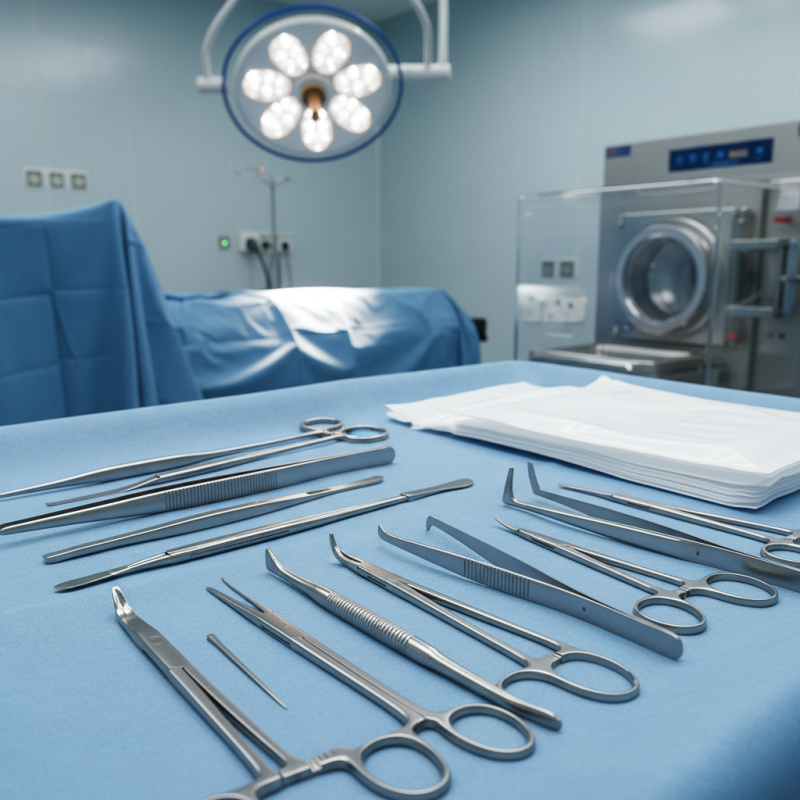
Why Choose Medical Grade Stainless Steel for Surgical Instruments?

Benefits of Medical Grade Stainless Steel in Surgical Instrumentation

Medical grade stainless steel is a top choice for surgical instruments, combining durability and safety. This material resists corrosion, which is vital in sterile environments. It withstands harsh cleaning processes and maintains sharp edges over time. Surgeons depend on these instruments for precision, making reliability crucial.

Tips: Always inspect surgical tools for any signs of wear or damage. A small flaw can impact a procedure. Regular maintenance is key to keeping instruments in optimal condition.

The specific alloys used in medical grade stainless steel enhance its mechanical properties. These alloys contribute to strength while being lightweight. Instruments made from this material are easier to handle. They reduce fatigue during lengthy surgeries.

Tips: When selecting surgical instruments, consider ergonomics as well. A well-designed instrument enhances both comfort and precision. Aim for tools that balance functionality and user experience.

Chemical Properties of Medical Grade Stainless Steel for Surgical Use

Medical grade stainless steel is designed for surgical instruments. Its chemical properties play a key role in this design. Unlike ordinary steel, medical grade stainless steel contains chromium. This element enhances corrosion resistance. It helps in preventing the formation of rust. As a result, instruments remain sterile during procedures.

A study from the Journal of Biomedical Materials Research indicates that medical-grade stainless steel is over 75% resistant to certain corrosive environments. This resistance is crucial in surgical settings. Bacteria and pathogens thrive in moisture. Using materials that resist corrosion can significantly reduce infection risks. This quality is paramount in ensuring patient safety.

Additionally, medical grade stainless steel boasts excellent mechanical properties. It is strong yet malleable. This allows for precise instrument craftsmanship. Tools can maintain sharp edges while being durable. However, not all stainless steel is created equal. Variations in alloy composition can impact performance. Manufacturers must rigorously test metal grades. This testing ensures compliance with standards set by health organizations. The right choice of material can make a significant difference in clinical outcomes.

Durability and Longevity of Surgical Instruments Made from Stainless Steel

Stainless steel is a top choice for surgical instruments due to its durability and longevity. This material resists rust, corrosion, and wear. Instruments made from medical grade stainless steel maintain their integrity even after repeated sterilization processes. They can withstand high temperatures and harsh chemicals without compromising their performance.

During a surgical procedure, precision is critical. Durable instruments lead to better outcomes. However, not all stainless steels are created equal. Some may wear down quicker than others under pressure. This inconsistency can lead to unexpected challenges in the operating room. Surgeons often depend on instruments that perform reliably, enhancing their ability to conduct complex procedures.

Moreover, the longevity of stainless steel instruments reduces the need for frequent replacements. This not only saves costs but also minimizes waste. In a world increasingly focused on sustainability, using durable surgical instruments plays a role in responsible healthcare. However, it's essential to regularly inspect and maintain these tools. A small flaw can compromise their effectiveness. Surgical teams must remain vigilant and proactive in caring for their instruments.

Comparison: Medical Grade Stainless Steel vs. Other Materials in Surgery

When evaluating materials for surgical instruments, medical grade stainless steel stands out. This material offers numerous advantages over alternatives. For instance, it resists corrosion better than carbon steel, which can degrade under sterilization conditions. Additionally, medical grade stainless steel has superior strength and longevity compared to plastic or aluminum instruments. According to the American Surgical Association, surgical instruments made from this material can last up to ten years with proper care.

Regarding reliability, medical grade stainless steel is non-reactive. This means it won’t leach harmful substances into the body, unlike some other materials. Research by the Journal of Clinical Medicine highlights that infections are 30% lower in surgeries using stainless steel instruments versus those using lower-grade options. However, not all stainless steel is created equal. It's essential to ensure the steel meets ISO standards.

Tip: Always check the specifications of surgical instruments. Investing in high-quality materials can reduce long-term costs.

Despite its many benefits, medical grade stainless steel can be heavier than other materials. This weight can sometimes lead to fatigue during long surgeries. Additionally, while extremely durable, it can still chip or scratch, which may create areas for bacteria to grow. Maintaining instruments properly is critical for safety.

Tip: Regularly inspect your surgical instruments for any signs of wear or damage.

Why Choose Medical Grade Stainless Steel for Surgical Instruments? - Comparison: Medical Grade Stainless Steel vs. Other Materials in Surgery

Material Corrosion Resistance Durability Ease of Sterilization Cost Typical Applications
Medical Grade Stainless Steel Excellent High Very Easy Moderate Surgical instruments, implants
Carbon Steel Poor Moderate Difficult Low Cutting tools, general applications
Titanium Very Good High Easy High Implants, dental tools
Plastic Variable Low Easy (for disposable) Low Disposable instruments, containers
Ceramics Good Very High Easy High Orthopedic implants, dental crowns

Hygiene and Sterilization: Advantages of Stainless Steel Instruments

Medical grade stainless steel is a popular choice for surgical instruments, particularly due to its hygiene and sterilization properties. This type of stainless steel has a high resistance to corrosion and staining, making it ideal for repeated use in medical settings. It can withstand harsh cleaning processes without degrading. Many instruments made from this material can be sterilized effectively, ensuring that they remain safe for patients.

One notable characteristic of stainless steel is its smooth surface. This surface minimizes the risk of microbial growth. Unlike some other materials, stainless steel does not harbor bacteria in tiny crevices. However, maintaining proper sterilization practices is essential. Inadequate sterilization can lead to infections, even with high-quality materials. Regular audits and training for healthcare professionals can improve compliance with sterilization protocols.

Despite the advantages, stainless steel instruments can be heavy. Surgeons may find this aspect tiring during long procedures. Moreover, high-quality instruments may come at a higher initial cost. In some cases, budget constraints can limit options. It is vital to balance cost with the necessity of quality in surgical settings. The right choice can significantly impact patient outcomes.

FAQS

: Why is stainless steel preferred for surgical instruments?

: Stainless steel is durable and resists rust and corrosion. It maintains integrity after repeated sterilization.

How does the longevity of stainless steel instruments impact healthcare?

Longer-lasting instruments reduce replacement frequency, saving costs and minimizing waste, supporting sustainability.

Are all stainless steels the same in terms of quality?

No, some stainless steels wear down faster. Quality can vary, leading to challenges in surgery.

What happens if surgical instruments are damaged?

A small flaw can compromise effectiveness. Regular inspection and maintenance are crucial for safety.

How does medical grade stainless steel compare to other materials?

It has superior strength and longevity over plastics and aluminum, making it a reliable choice.

Can stainless steel instruments lead to infections?

Infections are 30% lower when using stainless steel instruments, which are non-reactive and safe.

What precautions should be taken with surgical instruments?

Regularly inspect for wear or damage. High-quality materials are vital for long-term cost reduction.

Are there any downsides to using medical grade stainless steel?

It can be heavier, leading to fatigue. It can chip or scratch, creating risks for bacteria growth.

How long can medical grade stainless steel instruments last?

With proper care, they can last up to ten years, enhancing reliability in surgeries.

What specifications should be checked for surgical instruments?

Ensure instruments meet ISO standards for quality and performance before use.

Conclusion

Medical grade stainless steel is the preferred choice for surgical instruments due to its numerous advantages in the medical field. One of the primary reasons why is medical grade stainless steel used for surgical instruments is its remarkable chemical properties that enhance corrosion resistance, ensuring the instruments maintain their integrity even after repeated sterilization processes. Additionally, the durability and longevity of stainless steel instruments contribute to their cost-effectiveness, as they can withstand the rigorous demands of surgical procedures without degrading over time.

Moreover, when compared to other materials, medical grade stainless steel stands out for its superior hygiene and sterilization capabilities. The non-porous surface of stainless steel minimizes the risk of bacterial contamination, making it easier to achieve and maintain sterile conditions in surgical settings. This comprehensive combination of benefits makes medical grade stainless steel an essential material in the manufacturing of surgical instruments, ensuring safety and reliability during medical procedures.

Liam

Liam

Liam is a dedicated marketing professional with a profound expertise in the industry, where he excels at highlighting the unique advantages of our core products. With a keen understanding of market trends and consumer needs, Liam frequently updates our company’s professional blog, providing......