 Gray Medical
Gray Medical
Gray Medical
Starting a new clinic is an exciting journey. However, it comes with several important decisions. One key consideration is selecting the right laboratory instruments. What are the essential laboratory instruments for a new clinic? This question can shape the quality of care you provide to your patients.
Laboratory instruments are vital for accurate diagnostics and effective treatments. Without the right tools, you may struggle to deliver trustworthy results. Instruments like centrifuges, microscopes, and analyzers are essential for various tests. They help clinicians make informed decisions based on reliable data. Inappropriate choices can lead to critical delays.
It's crucial to assess your clinic's unique needs. Not all clinics require the same instruments. Evaluate the services you plan to offer. Additionally, budget constraints can influence your decisions. Investing in quality instruments is equally important. Poor-quality equipment can compromise patient safety and clinic reputation. Balancing cost with reliability will lead to better outcomes.
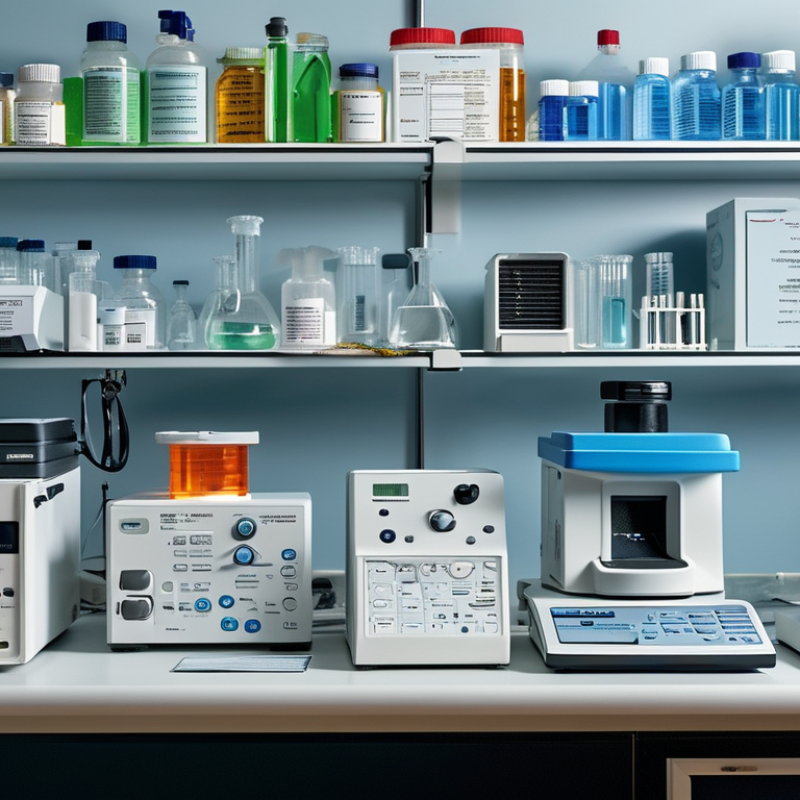
When establishing a new clinic, selecting the right laboratory instruments is crucial. Understanding your clinic's needs can simplify this process. Focus on essential instruments that will enable accurate diagnostics and treatment. Such tools must be reliable and easy to use.
You might consider including equipment like microscopes and centrifuges. Microscopes are fundamental for various tests. Centrifuges separate substances for analysis, making them invaluable. However, ensure you invest in quality. Inexpensive tools may save money initially but lead to inaccuracies and complications.
Think about your specific services. Will you perform blood tests, or focus on pathology? Your answers will guide your choices. Always consult with experienced laboratory professionals. Their insights can help avoid costly mistakes. Reflect on your space and budget. Sometimes, less is more. Quality over quantity is key. Careful planning now can boost your clinic’s efficacy in the long run.
| Instrument | Purpose | Approximate Cost | Maintenance Frequency |
|---|---|---|---|
| Autoclave | Sterilization of laboratory instruments | $1,500 - $5,000 | Monthly |
| Microscope | Viewing and analyzing samples | $800 - $3,000 | Annually |
| Centrifuge | Separating components in a mixture | $2,000 - $7,000 | Quarterly |
| Fume Hood | Protecting users from hazardous fumes | $3,000 - $15,000 | Semi-annually |
| Pipettes | Transferring small volumes of liquid | $50 - $500 | As needed |
: Focus on essential instruments that meet your clinic’s diagnostic and treatment needs. Consider reliability and ease of use.
Quality matters. Inexpensive tools may lead to inaccuracies and complicate operations. Choose wisely to avoid future problems.
Yes, consult experienced laboratory professionals. Their insights can prevent costly mistakes and improve your selection process.
Each specialty has different needs. For example, dermatology may require skin analysis tools while dental focuses on imaging.
Evaluate available space. Bulky equipment might not fit in smaller clinics. Choose versatile instruments that can serve multiple functions.
Budget constraints are vital. Compromising on quality for cheaper instruments can be costly in the long run. Prioritize wisely.
Their insights can reveal overlooked needs and ensure a well-rounded selection of instruments that align with clinic goals.
Regularly revisit your budget. Market trends and technological changes might require adjustments to ensure operational efficiency.
Total cost of ownership includes training, repairs, and consumables. Failing to account for these can strain your budget later.
Yes, as your clinic grows, initial selections may need adjustments due to new developments and innovations in laboratory technology.
When establishing a new clinic, one of the pivotal questions is, "What are the essential laboratory instruments for a new clinic?" Identifying these instruments involves assessing the specific needs based on the clinic's specialty, as different fields require different diagnostic tools. For instance, a clinic focused on hematology will require different equipment compared to a general practice clinic.
Moreover, it’s crucial to evaluate the quality and reliability of the laboratory equipment to ensure accurate results and efficient workflow. Budgeting is also an important consideration, as it affects the range and quality of instruments that can be procured. Lastly, understanding maintenance and support options is essential, as regular upkeep plays a significant role in the longevity and performance of laboratory equipment. By carefully considering these factors, clinics can effectively equip themselves to provide high-quality healthcare services.
