Starting a new clinic can be both exciting and overwhelming. A crucial aspect involves setting up a functional laboratory space. This raises the question, "What are the essential laboratory instruments for a new clinic?" Having the right tools can directly impact patient care and workflow efficiency.
Laboratory instruments serve various purposes. They help diagnose conditions, conduct tests, and monitor health. Essential items include centrifuges, microscopes, and autoclaves. Each instrument plays a specific role. For example, a microscope is vital for examining samples under high magnification. However, choosing the right models requires careful consideration of quality and functionality.
Every clinic has unique needs. Some might prioritize diagnostic capabilities, while others focus on research. It's essential to balance cost and quality. Investing in reliable instruments can ensure accuracy and patient safety. However, newer clinics may face budget constraints that limit options. Reflecting on these challenges can lead to more informed decisions. Establishing a lab that meets both regulatory standards and patient expectations is critical for success.
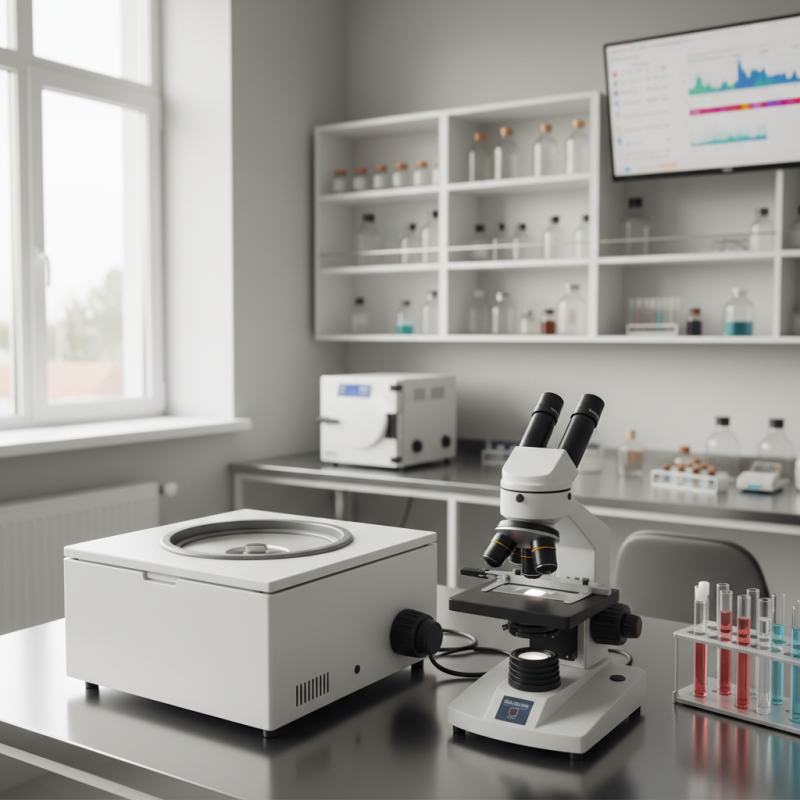
Essential Laboratory Instruments for Accurate Diagnostics in New Clinics
When starting a new clinic, having the right laboratory instruments is crucial. These tools help ensure accurate diagnostics, which are vital for effective patient care. Essential instruments include microscopes and centrifuges. Microscopes allow for detailed examination of samples. They reveal essential information that helps in diagnosis.
Centrifuges play a significant role in processing blood and other fluids. They separate components, making analysis easier and more accurate. Other necessary instruments include incubators and pipettes. Incubators maintain specific temperatures for sample growth. This ensures that results are reliable. Pipettes facilitate precise measurement and transfer of liquids, a skill crucial in a laboratory setting.
Despite their importance, many new clinics may overlook the need for quality instruments. Investing in high-quality tools is vital for diagnostic accuracy. However, financial constraints can limit choices. It's critical to strike a balance between cost and quality. This requires thoughtful planning and budgeting. New clinics should prioritize functionality while remaining open to upgrading equipment as they grow. Each instrument plays a role in a larger narrative of patient care. Understanding this interconnectedness enhances operational success.
Top 5 Must-Have Laboratory Equipment for Effective Patient Care
When starting a new clinic, having the right laboratory instruments is crucial for effective patient care. High-quality equipment not only improves diagnostic accuracy but also streamlines workflow. First on the list is a reliable centrifuge. This instrument separates components of blood and other solutions, allowing for precise analyses. Every clinic should invest in one that meets its specific testing demands.
Next, consider a comprehensive microscope. This tool is essential for examining samples at the cellular level. Training staff to effectively use the microscope can enhance diagnostic processes. Moreover, an effective laboratory refrigerator is vital. It ensures that reagents and samples are stored at appropriate temperatures. Regular checks and maintenance are necessary to prevent potential issues, such as temperature fluctuations.
Having a dependable blood analyzer is also important. This equipment provides quick and accurate results for common laboratory tests. However, staff must regularly calibrate the machine. Lastly, a quality pipettor is necessary for measuring and transferring small liquid volumes. Clinicians should be trained in its use to reduce errors. Building a well-equipped laboratory leads to improved care, but consistent evaluation of the equipment and processes is essential for ongoing success.
Essential Laboratory Instruments Every New Clinic Needs
| Instrument |
Purpose |
Essential Features |
| Microscope |
Used for examining small samples or organisms. |
High magnification, adjustable focus, and LED illumination. |
| Centrifuge |
Separates components of blood or other fluids based on density. |
Variable speed settings, safety lock, and easy-to-read display. |
| Pipettes |
Used to measure and transfer small volumes of liquid. |
Adjustable volume, ergonomic design, and autoclavable tips. |
| Refrigerator |
Keeps samples and reagents at required temperatures. |
Temperature range control, alarm system, and adequate storage space. |
| Autoclave |
Sterilizes equipment and supplies by steam under pressure. |
Programmable settings, safety features, and durable construction. |
Importance of Quality Control: Essential Instruments for New Clinics
Establishing a new clinic requires essential laboratory instruments that ensure quality control. Proper quality management is crucial for patient safety. A survey from the Clinical Laboratory Improvement Amendments (CLIA) shows that approximately 13% of lab tests exhibit errors. These mistakes can severely impact patient care, emphasizing the need for reliable instruments.
Key laboratory tools necessary for most clinics include centrifuges, microscopes, and automated analyzers. Centrifuges separate components of blood, allowing precise measurements. According to the American Association for Clinical Chemistry (AACC), using an automated analyzer can improve accuracy and reduce turnaround time by up to 40%. Microscopes facilitate detailed examinations, playing a critical role in diagnosis.
While the importance of quality control is evident, many clinics overlook routine maintenance of their equipment. Neglecting this can lead to inaccuracies. The Lancet Journal highlights that 22% of laboratories fail to adhere to maintenance schedules. Implementing a robust quality control program can help clinics minimize these risks, ensuring better patient outcomes. Balancing cost and quality remains a challenge, but investing in essential lab instruments is key to sustaining high operational standards.
Essential Laboratory Instruments Every New Clinic Needs
This bar chart represents the importance rating of essential laboratory instruments for new clinics. Each instrument is crucial for the proper functioning and quality control in medical practices.
Key Instruments for Sample Collection and Handling in Clinical Settings
In a clinical setting, efficient sample collection and handling are vital to obtaining accurate results.
New clinics must prioritize essential instruments for these tasks. Common tools include
blood collection tubes,
syringes, and
specimen containers.
Choosing the right size and type is crucial for different types of samples.
Containers must be sterile to avoid contamination, which is often overlooked in practice.
Handling samples correctly is just as important as collection.
Proper labeling is necessary to prevent mix-ups.
Many clinics still struggle with implementing efficient labeling systems.
This can lead to confusion and delays.
Moreover, appropriate transport conditions for samples should be established.
For example, temperature control is critical for certain blood tests.
Staff training also plays a significant role.
New personnel may require additional guidance on how to handle instruments and samples safely.
Continuous training ensures that everyone is on the same page.
An error in collection can affect the entire test process,
causing frustration and increasing costs.
Adjusting protocols and improving practices regularly can help mitigate these challenges.
Cost-Effective Laboratory Solutions for New Clinics: A Practical Guide
Starting a new clinic is exciting yet challenging. Ensuring cost-effective laboratory solutions can significantly impact your budget. A report from the Global Health Investment Fund indicates that 30% of hospital expenditures go towards laboratory services. Therefore, selecting essential instruments wisely can lead to cost savings.
For fundamental operations, consider diagnostic analyzers, centrifuges, and microscopes. Investing in high-quality equipment can reduce maintenance costs. However, be cautious. Purchasing used equipment may save money initially but could incur higher repair expenses down the line. Assess vendor reliability and warranty options carefully.
Tips: Always check the calibration standards of used instruments. A poorly calibrated device can lead to unreliable results.
Another key aspect is training staff efficiently. Well-trained personnel maximize the effectiveness of your instruments. Research shows that clinics with ongoing training programs report 40% fewer errors in laboratory results. Encourage feedback from your team. Sometimes, their insights reveal weaknesses in equipment usage that you might overlook.
Tips: Implement regular review sessions. This practice keeps your team engaged and promotes a culture of continuous improvement.
FAQS
: Essential instruments include microscopes, centrifuges, incubators, and pipettes. Each plays a role in accurate diagnostics.
Centrifuges separate components of blood and fluids, making analysis more accurate and easier.
Proper sample collection is vital. Contamination or mix-ups can lead to incorrect results.
Use sterile containers and prioritize cleanliness. Many clinics overlook this aspect, risking contamination.
Continuous training is essential. It ensures staff know how to handle instruments and samples properly.
Balance cost and quality. Investing in reliable equipment can save money on repairs in the long run.
Used equipment can save money but may incur higher repair costs. Assess vendor reliability carefully.
Implement regular review sessions and encourage feedback from the team to identify areas for improvement.
Proper labeling prevents mix-ups and confusion, which can cause delays and frustration in test results.
Temperature control is critical for certain tests. Improper conditions can lead to unreliable results.
Conclusion
Setting up a new clinic requires careful consideration of various laboratory instruments necessary for effective diagnostic practices. Key instruments include basic equipment like microscopes, centrifuges, and incubators that ensure accurate diagnostics. Additionally, top must-have laboratory equipment, such as pipettes and analyzers, plays a central role in providing effective patient care by facilitating timely test results.
Quality control is crucial for maintaining the reliability of test outcomes, making it essential for new clinics to invest in quality assurance instruments. Furthermore, understanding proper sample collection and handling tools is vital in preventing contamination and ensuring accurate testing. For clinics operating on a budget, exploring cost-effective laboratory solutions can provide practical guidance on acquiring the necessary instruments without compromising on quality. In summary, when considering "What are the essential laboratory instruments for a new clinic?", a focus on quality, efficiency, and cost-effectiveness emerges as foundational for successful operations.
 Gray Medical
