Gray Medical
Stroke recovery is a complex journey. It requires both physical and emotional healing. One critical aspect of this recovery is the use of rehabilitation devices. These tools can significantly enhance the recovery process, providing patients with the support they need. But why do rehabilitation devices play a key role in post-stroke recovery?
Rehabilitation devices are designed to assist patients in regaining lost functions. They offer targeted exercises that help rebuild strength and coordination. For example, devices like exoskeletons can facilitate movement for those who struggle to walk. They create a structured environment for practice, which is crucial for brain rewire.
Additionally, these devices often provide real-time feedback. This feedback helps patients understand their progress. It also allows therapists to refine treatment plans based on individual needs. However, it's essential to recognize that not every device suited for every patient. Personalization is key, and ongoing evaluation is necessary. Integrating rehabilitation devices into therapy can transform lives, but balancing technology with human interaction is vital.
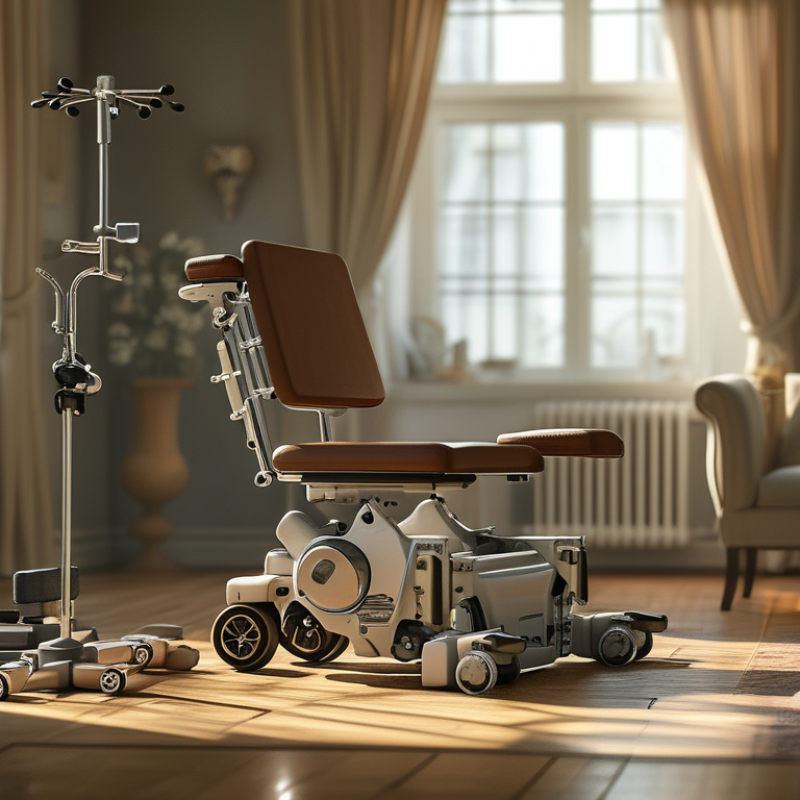
Rehabilitation devices play a crucial role in post-stroke recovery. These tools help patients regain mobility and improve their quality of life. A stroke can leave individuals with various impairments, making daily tasks challenging. Specialized devices can address these issues effectively.
Therapeutic tools like walkers and gait trainers provide essential support. They encourage safe movement and boost confidence during rehabilitation. Patients feel a sense of accomplishment while using these devices. Each step taken matters in their recovery journey. Many users report feeling less isolated when they regain some independence.
However, reliance on devices can create challenges. It's important for patients to balance device use with physical therapy. Over-dependence might hinder progress. Regular assessments are essential to adjust the rehabilitation plan. It’s an ongoing process of trial and error. Reflection is key to understanding one’s own progress and adapting as needed.
Rehabilitation devices play a crucial role in stroke recovery. They assist patients in regaining mobility and function. Various types of devices cater to specific needs during the recovery process.
For instance, upper limb rehabilitation devices help in improving arm and hand function. These devices can include splints and adaptive tools. They guide movement and encourage engagement.
Lower limb devices, such as walking aids and leg braces, support mobility. Patients often struggle with balance and coordination, making these tools essential.
Another vital type is balance training equipment. This includes balance boards and stability trainers. They challenge a patient's sense of balance, promoting better stability.
Virtual reality systems are also emerging in rehabilitation. Such systems can provide engaging exercises and simulate real-life situations.
However, patients may feel frustrated with their progress. It’s important to acknowledge that recovery takes time and patience is key. Not every device works for every person, making personalized approaches essential.
Rehabilitation devices play a crucial role in post-stroke recovery. They support the brain's plasticity, encouraging the rewiring of neural pathways. Studies show that integrated use of such devices can double the recovery rate for motor skills. This is vital since motor deficits affect nearly 80% of stroke survivors.
Mechanisms of action include providing repetitive task practice and feedback. Devices like exoskeletons and robotic arms deliver consistent training. This helps patients relearn motion patterns. According to a report from the National Institutes of Health, intensive rehabilitation using technology leads to a 30% improvement in mobility compared to traditional methods. Yet, access to these devices is often limited.
Despite their benefits, challenges remain. Many patients struggle with motivation. They may feel frustrated by slow progress. Funding for these technologies can also be a barrier. However, advancements in tele-rehabilitation show promise in bridging some gaps. Regular assessments and personalized plans can enhance the effectiveness of these interventions. Further research is necessary to optimize the use of rehabilitation devices in diverse populations.
Rehabilitation devices play a crucial role in post-stroke recovery. Early intervention often enhances a patient's chances of regaining mobility and independence. These devices, such as mobility aids and robotic therapy systems, target specific physical challenges faced by stroke survivors. They encourage consistent practice, essential for rebuilding strength and coordination.
Engaging with rehabilitation devices promptly after a stroke can significantly influence recovery. Research shows that early use can minimize the long-term impacts of a stroke. Patients who start therapy soon often experience faster improvements. This means better outcomes in daily activities and overall quality of life.
However, not all patients respond the same way. Some may struggle with adapting to rehabilitation technologies, which can be frustrating. It’s important to monitor individual progress and adjust as needed. Recovery is a journey, often requiring patience and persistence. Focusing on small gains can maintain motivation during this challenging time. Each step, even if imperfect, contributes to the overall recovery process.
| Dimension | Data Point |
|---|---|
| Average Recovery Time (Months) | 6-12 |
| Percentage of Patients Using Rehabilitation Devices | 75% |
| Improvement in Mobility (after 3 months) | 40% |
| Reduction in Long-term Disability Risk | 30% |
| Patient Satisfaction Rate | 85% |
| Frequency of Device Use (sessions per week) | 4-5 |
| Cost Savings on Therapy Sessions | 20% |
Rehabilitation technology plays a pivotal role in post-stroke recovery, yet it faces significant challenges. Many devices are expensive and may not be accessible to all patients. Cost barriers can prevent effective use in many rehabilitation centers. This gap leads to disparities in recovery outcomes, as not everyone receives the same level of technological support.
Future directions in this field require a focus on making devices more user-friendly and affordable. Advances in materials and digital technology can pave the way for innovation. Personalization is another critical aspect. Each stroke survivor has unique needs and abilities. A one-size-fits-all approach is often ineffective, indicating a need for tailored solutions. Additionally, integrating telehealth services could bridge the gap for those unable to visit rehabilitation facilities.
Despite these potential advancements, there remains a lack of extensive research into the long-term efficacy of many rehabilitation devices. Continuous evaluation and feedback from users are necessary for improvement. Addressing the needs of patients while innovating within this sphere is crucial. There are complexities to navigate, but the future of rehabilitation devices could be brighter with collaborative efforts.
: They support brain plasticity and encourage neural pathway rewiring, doubling recovery rates for motor skills.
They offer repetitive task practice and feedback, helping patients relearn motion patterns effectively.
Early engagement with rehabilitation devices can enhance mobility and independence for stroke survivors.
Research shows it can minimize long-term impacts and lead to faster improvements in daily activities.
Many struggle with motivation and may feel frustrated by slow progress, which can impact their journey.
It shows promise in overcoming barriers to accessing rehabilitation devices, improving overall recovery outcomes.
No, individual responses vary, and monitoring progress is crucial for adjusting rehabilitation plans.
Focusing on small gains can maintain motivation; every step counts, even if it's not perfect.
Funding issues and limited access to technology can hinder some patients' recovery efforts.
Rehabilitation devices are crucial for post-stroke recovery due to their ability to facilitate rehabilitation processes that improve functional outcomes. They come in various forms, including robotic devices, adaptive aids, and virtual reality systems, each designed to target specific impairments caused by a stroke. These tools use mechanisms such as repetitive task training and neuromuscular stimulation to enhance motor skills and cognitive function.
Early intervention with these devices significantly boosts recovery rates, as they can help restore lost abilities more effectively when initiated soon after a stroke. However, challenges such as accessibility, cost, and the integration of advanced technologies into standard rehabilitation practices remain. Understanding "Why do rehabilitation devices play a key role in post-stroke recovery?" is essential for developing better strategies and solutions that can address these challenges and improve patient outcomes in the future.
