Top First Aid Kit Components Based on Global Standards

Time:2026-09-28 Author:Liam
0%

A well-built first aid kit is not simply a box filled with bandages. Its contents should reflect the likely hazards, the setting, and the skills of the people who may use it. A small office may need adhesive dressings, gloves, and a resuscitation mask; a remote worksite may also require larger wound dressings and supplies suited to its specific risks. Needs differ.

What are the global standards for first aid kit components? There is no single universal list that fits every country and workplace. International guidance, national requirements, and recognized standards offer useful reference points, but the right kit depends on local conditions and a documented risk assessment. This guide compares common components, explains their purpose, and highlights where requirements may vary. It also considers practical details: clear labels, intact packaging, accessible storage, and regular checks for expired or depleted items.

Dr. David Markenson, an emergency physician involved in first-aid guideline development, is a useful reference for evidence-based practice. The following is a paraphrase, not a verbatim quotation: “Choose first aid supplies to match foreseeable risks and the responder’s training.” That distinction matters. A specialized item may look reassuring, yet be unhelpful without instruction. Even a basic kit can fail if nobody knows where it is. Check it. Train people. Review it after use—and revisit the risk assessment when the workplace changes. These steps are easy to overlook, and no checklist can replace sound judgment or appropriate medical care.
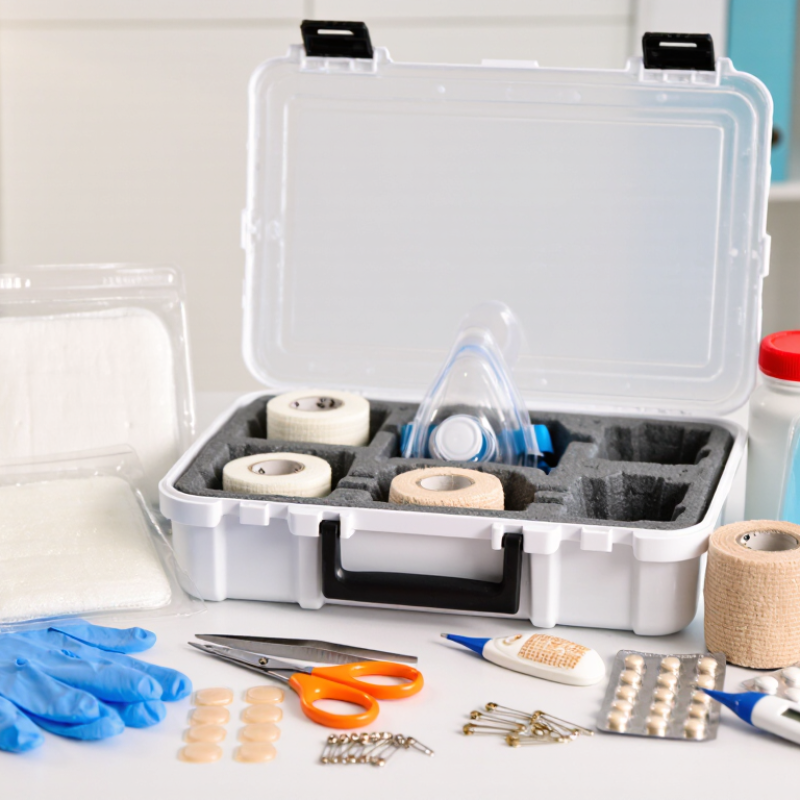
Top First Aid Kit Components Based on Global Standards

How Global Standards Guide First Aid Kit Contents

Global standards do not create one universal first aid kit. They establish a framework: assess workplace hazards, likely injuries, user training, and access to medical care. The International Labour Organization estimated nearly three million work-related deaths annually in its 2023 global estimates. That figure reinforces why emergency planning must reflect real risks, not a generic checklist. The U.S. ANSI/ISEA Z308.1-2021 standard also classifies workplace kits by type and supplies, offering a practical reference rather than a worldwide rule.

Contents should match the setting. A small office may need assorted adhesive dressings, gauze pads, gloves, and a barrier device for rescue breathing. A workshop may require more eye-wash supplies and larger wound dressings, based on its hazard assessment. The U.S. Bureau of Labor Statistics recorded 2.6 million nonfatal workplace injuries and illnesses in private industry in 2023; these cases vary widely, so a single kit cannot suit every site. Small details matter. Check expiry dates, keep supplies dry, and place kits where staff can reach them quickly. Standards still leave judgment calls. A checklist may look complete, yet fail if workers cannot find the kit or use its contents confidently.

Essential Items for Treating Wounds and Bleeding

A dependable first-aid kit should make basic wound care clean and straightforward. Include disposable gloves, sterile gauze pads, absorbent dressings, adhesive strips, and medical tape. A roller bandage can hold a dressing in place. Small scissors help cut tape or clothing without tugging at an injury. Keep it simple.

For a minor cut, wash your hands, put on gloves, and rinse the wound with clean running water. Pat the surrounding skin dry, then cover the area with a sterile dressing. Change it if it becomes wet or dirty. For bleeding, press firmly with gauze and keep steady pressure. Pressure matters. If blood soaks through, place more gauze on top rather than lifting the first layer.

Heavy or persistent bleeding needs urgent medical help. Call local emergency services, especially if blood spurts, the wound is deep, or the person feels faint. Do not pull out an embedded object; apply pressure around it instead. Exact kit contents vary by setting, so check current guidance from a recognized first-aid authority in your area. One often-overlooked task is checking supplies: replace used or damaged items, and check sterile packages for tears or expiry dates. A kit helps, but it cannot replace professional care.

Top First Aid Kit Components Based on Global Standards

Essential items for treating wounds and bleeding

Illustrative minimum quantities from the ANSI/ISEA Z308.1-2021 Class A workplace first aid kit. Counts are per kit; requirements vary by country, standard, and kit class.

Supplies for Burns, Injuries, and Common Emergencies

A useful first-aid kit should help with burns, cuts, sprains, and sudden illness. For burns, include a clean, non-fluffy dressing and access to cool running water. Cool the burn for 20 minutes when possible; do not apply ice, butter, or creams. Cover it loosely afterward. Large or deep burns, and burns affecting the face or hands, need urgent medical assessment.

For cuts and scrapes, pack disposable gloves, sterile gauze, adhesive dressings, and medical tape. Clean minor wounds with clean water, then apply gentle pressure with gauze if bleeding continues. Add blunt-tipped scissors and tweezers for practical tasks, but avoid removing deeply embedded objects. A triangular bandage can support an injured arm or secure a dressing. Keep it accessible.

Common emergencies call for a few extra basics: a digital thermometer, an emergency blanket, and a pocket face shield for trained rescuers providing CPR. Include a simple first-aid guide, especially if several people may use the kit. Check supplies regularly; sterile packaging can tear, and adhesive dressings may lose their stick. A kit can look complete and still be missing what you need. Its contents should match the users, setting, and local guidance.

Protective Equipment and Basic First Aid Tools

Top First Aid Kit Components Based on Global Standards

Protective Equipment and Basic First Aid Tools

Protective equipment helps responders reduce contact with blood and other body fluids. Include disposable gloves in several sizes, a CPR face shield, and eye protection. Keep them together in a clean, dry pouch. Gloves can tear, so check them regularly and replace damaged pairs. Small detail. Big difference.

Basic tools should support simple, immediate care. Stock sterile gauze pads, roller bandages, adhesive dressings, medical tape, blunt-tip scissors, and saline for rinsing minor debris from eyes or skin. Choose clearly labeled supplies that are easy to identify under stress. The World Health Organization reported about 1.19 million road deaths worldwide in 2021, underscoring why accessible first aid equipment matters before professional help arrives.

A kit is only useful when people know where it is and how to use its contents. Check packaging dates and quantities on a routine schedule, and tailor supplies to the setting, such as a vehicle, workshop, or household. The International Labour Organization’s 2023 report estimated 395 million non-fatal work injuries globally in 2019. That figure is a reminder, not a guarantee that any one kit will cover every need. Even careful checklists miss things sometimes; review them after use and after changes in risk.

How to Adapt and Maintain a First Aid Kit

Adapting a first aid kit starts with the people and places it must serve. A home with young children may need child-sized dressings, while a hiking kit should stay light and protect supplies from rain. Consider allergies, mobility needs, and whether anyone using the kit can read its instructions. Small details matter. Keep essential items easy to reach, not buried beneath bulky packaging.

Check the kit monthly and after every use. Replace opened, damp, damaged, or expired supplies, and store the kit away from heat and moisture. Heat damages supplies. Make sure gloves and dressings remain sealed, and that scissors still open smoothly. A quick inventory can reveal gaps, but a checklist can still miss an item someone quietly used. That is worth remembering.

Adapt contents to local health guidance and the risks of your setting; recommended supplies can differ. Keep a simple inventory with expiry dates, and note when each item was checked. Store clear instructions with the kit, using language familiar to its users. Practice locating supplies and calling for help. An elaborate kit is not automatically useful. A smaller, maintained kit that people understand may serve better than one packed with unfamiliar items.

Top First Aid Kit Components Based on Global Standards - How to Adapt and Maintain a First Aid Kit

Component Example Starting Quantity Typical First Aid Use How to Adapt the Kit Maintenance Check
Adhesive bandages in assorted sizes 20 Covering small cuts and minor abrasions. Choose sizes suited to the likely tasks and users; include hypoallergenic options where appropriate. Check packaging is sealed and dry; replace used or damaged items.
Sterile gauze pads and wound dressings 10 gauze pads and 4 larger dressings Covering wounds and helping control bleeding with direct pressure. Increase quantities for higher-risk work or locations with longer emergency response times. Keep dressings sterile and individually wrapped. Check seals and expiry dates; replace opened, wet, or damaged packs.
Roller and triangular bandages 4 roller bandages and 2 triangular bandages Securing dressings or supporting an injured limb when appropriate. Select suitable widths and include instructions or trained responders for more complex applications. Check that bandages are clean, intact, and ready to use.
Medical adhesive tape 2 rolls Securing dressings and bandages. Consider skin sensitivities and whether tape can be used reliably in the local climate. Replace rolls that have dried out, become contaminated, or no longer adhere.
Disposable examination gloves 4 pairs Reducing contact with blood and other body fluids when providing care. Stock several sizes and suitable alternatives for known latex sensitivities. Follow local infection-control guidance. Check for intact packaging and suitable expiry dates; store away from heat and sunlight.
Resuscitation face shield or pocket mask 1 Providing a barrier during CPR and rescue breathing, when trained and appropriate. Choose a type suited to the training and procedures used at the site. Check the package, valve, and instructions; replace after use or if damaged.
Blunt-ended scissors and tweezers 1 of each Cutting tape or clothing and removing superficial splinters when appropriate. Select tools suitable for the expected hazards; do not use tweezers for embedded objects. Keep clean, functional, and stored securely.
Emergency thermal blanket 1 Helping reduce heat loss while awaiting emergency care. Add more for outdoor, cold-weather, or remote work settings. Check that the wrapper is sealed and the blanket is intact.
Eye-irrigation supplies, where indicated As determined by the hazard assessment Flushing the eye after exposure to a foreign particle or harmful substance, as directed by local procedures. For chemical splash risks, provide suitable, readily accessible eyewash facilities; small kit bottles may not provide adequate irrigation. Check seals and expiry dates, and confirm that required eyewash facilities are accessible and maintained.
First aid instructions and emergency contact information 1 clearly visible set Helping users find emergency numbers, site procedures, and kit contents. Use the local emergency number and the languages understood by likely users. Identify the kit location and trained responders. Review after changes to site procedures, contacts, personnel, or local requirements.

Planning note: Quantities shown are an illustrative starting point, not a universal legal minimum. Kit contents should reflect a documented assessment of hazards, number of people, location, and access to emergency care. Requirements vary: U.S. OSHA 29 CFR 1910.151(b) requires adequate first aid supplies to be readily available but does not prescribe one universal kit list; UK HSE guidance also recommends selecting supplies according to the needs assessment. For workplace kits, check applicable local rules and the current edition of relevant standards, such as ANSI/ISEA Z308.1 in the United States. Assign a responsible person to inspect the kit regularly, replenish used supplies promptly, and replace expired or damaged items.

FAQS

What should a first-aid kit include for burns?

Keep a clean, non-fluffy dressing and access to cool running water. Cool a burn for 20 minutes when possible, then cover it loosely. Do not use ice, butter, or creams.

When does a burn need urgent medical assessment?

Large or deep burns need urgent assessment. Burns on the face or hands do too. Don’t rely on a kit alone.

What supplies help with minor cuts and scrapes?

Pack disposable gloves, sterile gauze, adhesive dressings, and medical tape. Clean minor wounds with clean water. Apply gentle pressure with gauze if bleeding continues.

Should I remove an object stuck in a wound?

Avoid removing deeply embedded objects. Blunt-tipped scissors and tweezers can help with other practical tasks.

How can I adapt a kit for different people and places?

Consider children, allergies, mobility needs, and the setting. Child-sized dressings may help at home. A hiking kit should stay light and protect supplies from rain.

How often should I check the kit?

Check it monthly and after every use. Replace opened, damp, damaged, or expired supplies. Heat damages supplies.

How can I make the kit easier to use?

Keep essentials easy to reach, not buried beneath bulky packaging. Add clear instructions in a language users understand. Practice finding supplies and calling for help.

Is an inventory checklist enough to keep a kit ready?

It helps track expiry dates and checks, but it can miss supplies someone used quietly. A checklist is imperfect. Check the actual contents, too.

What extra items may help during common emergencies?

Consider a digital thermometer, an emergency blanket, and a pocket face shield for trained rescuers providing CPR. Include a simple first-aid guide.

Conclusion

What are the global standards for first aid kit components? They generally emphasize having clean, accessible supplies suited to likely risks and the needs of the people who may use them. A well-planned kit typically includes sterile dressings, adhesive bandages, gauze, and medical tape to help cover wounds and manage bleeding. It may also contain supplies for minor burns, sprains, and other common emergencies, along with protective gloves and basic tools such as scissors and tweezers.

The right contents depend on the setting, the number of people, and any specific health or environmental concerns. Keep the kit clearly organized, check it regularly, replace used or expired items, and make sure supplies remain clean and in good condition. A practical, maintained kit can support prompt basic care while helping users recognize when professional medical assistance is needed.

Liam

Liam

Liam is a dedicated marketing professional with a profound expertise in the industry, where he excels at highlighting the unique advantages of our core products. With a keen understanding of market trends and consumer needs, Liam frequently updates our company’s professional blog, providing......