Gray Medical
Successfully importing medical devices from China to the European market requires careful navigation of regulations and standards. The medical device market in Europe was valued at approximately €140 billion in 2020 and is expected to reach €170 billion by 2025. China has become a significant exporter, with a growth rate of over 18% annually in this sector. However, how to import medical devices from China to the European market can be complex.
Compliance with the Medical Device Regulation (MDR) and the In Vitro Diagnostic Regulation (IVDR) is essential for success. Many companies underestimate the importance of rigorous testing and documentation required to meet European standards. Mistakes in this area can lead to costly delays or rejections of products. Research shows that nearly 30% of companies struggle with compliance, highlighting the need for thorough pre-import assessments.
Understanding the nuances of market entry is another hurdle. Factors like cultural differences, local partnerships, and logistics play a crucial role. While some find success through direct importation, others may encounter unexpected challenges. Reflection on previous import experiences can provide valuable insights. Adapting a flexible approach can enhance the chances of successful entry into this lucrative market.
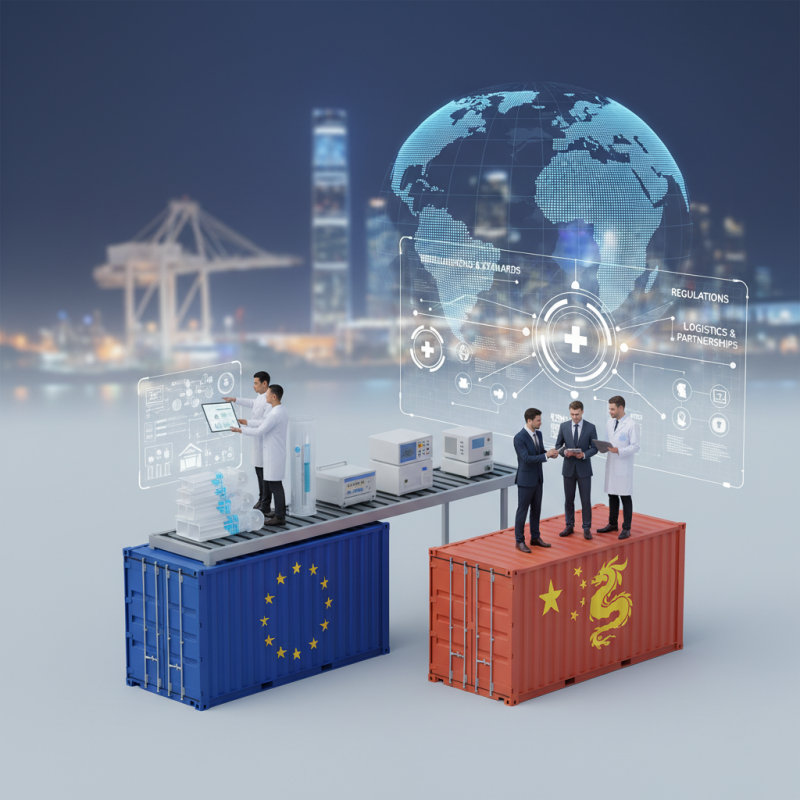
Understanding the regulatory framework for medical devices in Europe is crucial for successful importation. The European Union has established strict regulations to ensure that medical devices are safe and effective. Companies must comply with the
Medical Device Regulation (MDR) and
In-vitro Diagnostic Device Regulation (IVDR). These regulations are comprehensive and cover everything from product design to post-market surveillance.
Importers need to be aware of the significance of CE marking. This mark is a declaration that the product meets EU safety and performance standards. However, obtaining a CE mark can be complex. Manufacturers must conduct thorough clinical evaluations and comply with documented quality management systems. It can take time and resources to navigate this process.
Additionally, specific documentation is required. Importers must prepare technical files, risk assessments, and labeling that meets EU guidelines. Failing to adhere to these regulations can lead to delays or rejections at customs. It's essential to consult with regulatory experts or legal advisors who understand the nuances of these requirements. Continuous changes in legislation demand that businesses stay informed and adaptable. This requirement can be daunting, but it is vital for compliance and success in the European market.
When selecting reliable manufacturers in China for medical devices, thorough research is critical. According to a report from the Medical Device Association, about 43% of medical devices imported into Europe come from China. This statistic underscores the importance of identifying trustworthy suppliers. Start by reviewing their business certifications. The ISO 13485 standard is a key indicator of quality management systems.
Engage directly with potential partners. This includes factory visits and meetings. A survey from the Medical Technology Innovation Conference reveals that 58% of companies that conducted site visits reported higher satisfaction with their suppliers. Ensure comprehensive background checks are part of your evaluation. This may include seeking references and examining their compliance history. Unforeseen issues often arise from overlooked details.
Transparency in communication plays a significant role in fostering reliability. Establish clear expectations early and maintain open dialogues throughout the process. Failure to communicate can lead to misunderstandings, which may compromise product quality. According to a study by the European Medical Technology Observer, 37% of product failures relate to miscommunication between manufacturers and buyers. Prioritize these factors for a successful import experience.
Importing medical devices from China to Europe requires a thorough understanding of customs regulations. According to the European Commission, medical device imports must comply with the Medical Device Regulation (MDR) and In Vitro Diagnostic Regulation (IVDR). These regulations ensure that products meet safety and performance standards. Importers must provide detailed documentation, including a Declaration of Conformity and technical files.
The logistics of navigating customs can be complex. A recent report from Global Trade Atlas highlighted that 40% of imported medical devices face delays due to incomplete paperwork or non-compliance. This can lead to significant financial losses. Importers should invest in a reliable customs broker with expertise in medical devices to avoid such pitfalls. Understanding tariff classifications is also crucial. Misclassification can result in unjustified duties.
In addition, maintaining proper communication with suppliers is vital. Language barriers and cultural differences can lead to misunderstandings regarding product specifications. Frequent audits of suppliers' quality control processes help mitigate risks. Despite these challenges, the European market remains lucrative. The demand for high-quality medical devices continues to grow, making it essential for importers to stay informed and compliant.
When importing medical devices from China to Europe, compliance with quality standards and certifications is essential. The European market has strict regulations, such as the Medical Device Regulation (MDR) and In-vitro Diagnostic Medical Device Regulation (IVDR). Understanding these regulations can seem overwhelming. Many importers struggle with the documentation required to prove compliance.
It's crucial to engage with a notified body early in the process. They can guide you through the necessary evaluations and audits. Obtaining CE marking is a critical step, showing your products meet EU standards. Testing for safety and efficacy should be performed by accredited laboratories. Sometimes, these requirements can lead to unexpected delays, especially if documentation is incomplete or incorrect.
Additionally, ensure that your supply chain is transparent. Conduct regular factory audits to verify quality control measures. Consider language barriers that can complicate communication. Misunderstandings can lead to serious issues, so clarity is key. Some importers find it beneficial to hire local consultants with expertise in European regulations. This approach can help improve compliance rates and reduce risks.
When importing medical devices from China to Europe, an effective logistics and distribution strategy is crucial. Understanding the regulations and certifications required is vital. Each European country may have specific compliance standards. Collaborating with local experts can ensure smooth navigation through these complexities.
Develop a robust distribution network. This includes identifying reliable shipping partners and warehousing solutions. Explore various transportation methods to find the most cost-effective way. Air freight might be quicker, but sea freight could be more economical for bulk shipments. Consider using tracking technology to monitor your devices in transit.
Tips: Prioritize transparent communication with your logistics providers. Regular updates help mitigate unexpected delays. Evaluate your supply chain consistently to identify inefficiencies. Make adjustments based on feedback, and be prepared to pivot when needed. Understanding these factors leads to better decision-making in the distribution process.
: Compliance with Medical Device Regulation (MDR) and In-vitro Diagnostic Medical Device Regulation (IVDR) is essential.
Notified bodies guide compliance evaluations and audits, helping avoid delays in obtaining necessary certifications.
Double-check all documents and hire local consultants if needed to navigate complex regulations and requirements.
Ensure transparency, conduct regular factory audits, and verify quality control measures for better compliance.
Maintain clear communication with logistics providers and monitor progress regularly to identify and address issues.
Air freight is faster, while sea freight is more economical for bulk shipments; choose based on needs.
They provide expertise in European regulations, improving compliance rates, and reducing potential risks.
It provides real-time updates on device location, enhancing transparency and reducing the chances of unexpected delays.
In the process of understanding "How to import medical devices from China to the European market?", it is crucial to navigate the complex regulatory framework established by the European Union. This involves familiarizing oneself with the Medical Device Regulation (MDR) and ensuring that all imported devices meet the stringent compliance and safety standards set forth. Identifying and selecting reliable manufacturers in China is also vital, as it lays the foundation for quality assurance and trust in the supply chain.
Once suitable manufacturers are identified, importers must navigate the intricacies of the import process, including customs regulations, ensuring all required documentation is in order. Furthermore, developing a robust logistics and distribution strategy is essential for the successful introduction of these devices into the European market. By adhering to these guidelines, businesses can effectively manage the sourcing and importation of medical devices, ensuring compliance and market readiness.
