Gray Medical
Ensuring the safety of dental practices involves a crucial question: How to sterilize reusable dental tools properly? Proper sterilization procedures are essential for preventing infections. Understanding the correct methods will enhance patient safety and maintain overall treatment standards.
In the dental industry, sterilization is not merely a formality; it is a fundamental responsibility. It requires knowledge of various techniques and adherence to protocols. Improper sterilization can lead to severe health risks, such as cross-contamination. For effectiveness, dental professionals must stay updated with the latest practices.
Reflection on current practices may reveal shortcomings. Many dental tools may be overlooked during sterilization processes. Regular evaluations of sterilization techniques are vital. The commitment to safety makes a significant difference in patient trust and care quality. Being diligent is not just professional; it is an ethical duty in dentistry.
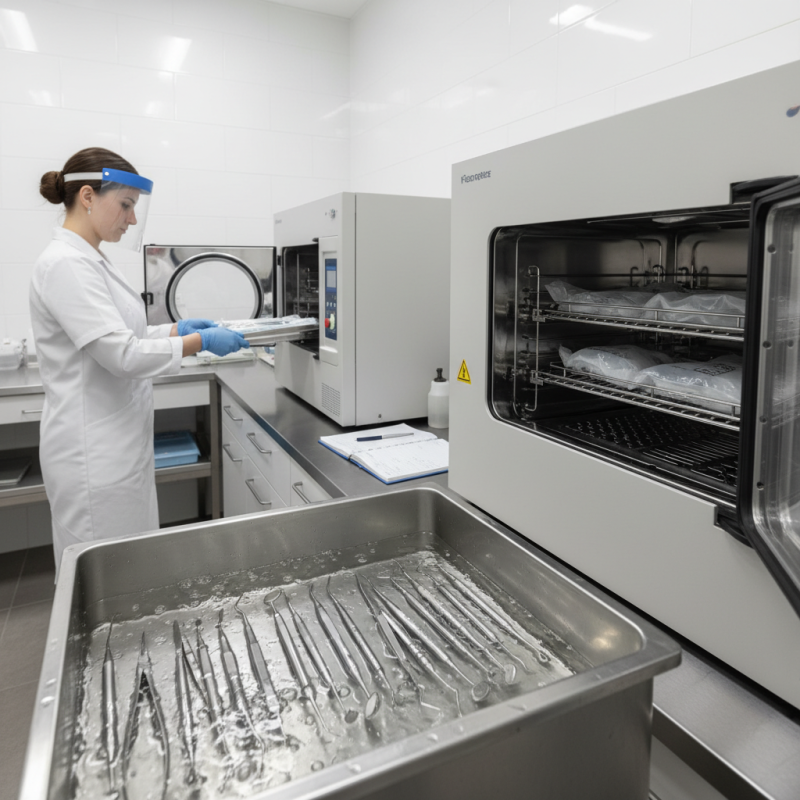
Sterilization is crucial in dental practices to ensure patient safety. Dental tools come into contact with blood and saliva, which may carry pathogens. If tools are not properly sterilized, there is a risk of infection transmission. This highlights the importance of a rigorous sterilization protocol in any dental setting.
Understanding different sterilization methods is essential. Autoclaving is a common method that uses high-pressure steam. It effectively kills bacteria and viruses. However, some instruments may not withstand this method. For these tools, alternative methods like chemical sterilization may be necessary. It’s key to assess each tool before deciding on the sterilization method.
In a dental office, complacency can lead to significant risks. Many professionals underestimate the importance of regular training on sterilization protocols. Some might think that their routine is sufficient. Yet, reviewing procedures can reveal gaps. Constant evaluation helps maintain high standards. Relying on outdated practices is a danger to both staff and patients. Continued education ensures everyone understands the latest practices and guidelines, fostering a culture of safety in dental care.
When it comes to sterilizing reusable dental tools, strict regulations and standards ensure safety and effectiveness. The CDC recommends using autoclaving or chemical sterilants. Autoclaving involves high pressure and temperature to kill microbes. This method is trusted for its reliability. However, not every tool may withstand such conditions.
Standards from organizations like the ANSI and ISO provide frameworks for sterilization practices. These guidelines help dental professionals know what equipment to use. They emphasize regular monitoring and validation of sterilization processes. Yet, adherence can be challenging. Some clinics may lack proper training or resources. This gap can lead to inconsistent practices.
The need for thorough documentation is critical. Keeping logs of sterilization cycles and maintenance can reduce the risk of infection. Frequent audits help identify areas needing improvement. This aspect often gets overlooked. Regular training sessions can address knowledge gaps among staff. Dental practices must prioritize compliance to build trust and ensure patient safety.
Sterilizing reusable dental tools is crucial for ensuring patient safety. The process begins with thorough cleaning. Rinse instruments immediately after use to remove blood and debris. Soaking them in an enzymatic cleaner can help. Use a soft brush to scrub hard-to-reach areas. This step is vital as leftover residue can hinder effective sterilization.
Once cleaned, wrap instruments in appropriate sterilization pouches. These should be labeled with dates and contents. Place them in an autoclave for steam sterilization. The typical cycle runs at 121°C for at least 30 minutes. Monitor sterilizer indicators to confirm effectiveness. After sterilization, store tools in a clean, dry area. Use them only when needed to prevent contamination.
Reflect on your sterilization methods regularly. Are you following best practices consistently? Engaging in peer reviews can reveal weaknesses in your processes. Staying updated on guidelines is important for continuous improvement. Ensuring the safety of dental tools is a shared responsibility.
Sterilizing reusable dental tools is crucial for patient safety. Various methods exist, each with its own set of advantages and limitations. The most common approaches include steam sterilization, dry heat sterilization, and chemical sterilization.
Steam sterilization, or autoclaving, uses high-pressure steam to kill microorganisms. This method is effective and widely accepted in the dental field. According to the CDC, autoclaving can achieve a 99.9999% reduction in viable bacteria. However, not all materials can withstand the high temperatures and moisture involved. For instance, some plastics and delicate instruments may warp or degrade.
Dry heat sterilization provides another option. It involves using hot air to eliminate pathogens. This method is best suited for materials that are moisture-sensitive. Although it can offer consistent sterilization, it requires longer exposure times, potentially risking efficiency. Moreover, some studies indicate that it might not uniformly penetrate all instruments, leaving room for concern.
Chemical sterilization, often using solutions like glutaraldehyde, is effective but can expose users to harsh chemicals. Monitoring is essential to ensure proper contact time. The inconsistency in results remains a challenge. Some practitioners often report challenges in accurately assessing the concentration of chemical agents used. Each of these methods has its role in dental practice, requiring professionals to evaluate and choose wisely based on their specific needs and tool materials.
Maintaining sterilized dental tools and equipment is crucial for patient safety and treatment efficacy. The CDC recommends that dental practices follow strict guidelines to ensure that all tools are properly sterilized. Regular monitoring and validation of sterilization processes can help avoid potential lapses. This adds a layer of accountability to practices that must be maintained.
An effective way to maintain tools is to implement a checklist for cleaning and sterilization. This should include steps such as cleaning tools with an ultrasonic cleaner before autoclaving. Another key practice is to store sterilized instruments in a clean area, away from contaminants. A surgical pack can guard against dust and moisture.
**Tips:** Regularly conduct competency assessments for staff handling sterilization. Engage them in continuous education about best practices. Make reflection a routine by discussing mistakes openly. A culture that encourages learning from errors promotes greater reliability in tool sterilization, which is essential for patient trust.
| Dental Tool | Sterilization Method | Recommended Duration | Storage Conditions |
|---|---|---|---|
| Scalpel | Autoclave | 15-30 minutes at 121°C | Cool, dry place in sterile containers |
| Dental Tweezers | Chemical Disinfection | 10 minutes in 4% glutaraldehyde | Sealed in sterile bags |
| Handpieces | Steam Sterilization (Autoclave) | 20 minutes at 134°C | Store in a clean, dry environment |
| Suction Tips | Boiling Water | 10 minutes | In a closed sterilization container |
| Explorers | Cold Sterilization | 20-30 minutes in CIDEX | Keep upright in a sterile box |
: Sterilization ensures patient safety by preventing infection transmission through contaminated tools.
Autoclaving uses high-pressure steam. Chemical sterilization is an alternative for sensitive instruments.
No, some instruments cannot withstand high temperatures and pressure. Alternative methods must be used in those cases.
Regular training is essential. It helps identify gaps and maintains high standards in practices.
CDC guidelines recommend autoclaving or chemical sterilants and emphasize monitoring sterilization processes.
Keeping logs of sterilization cycles helps reduce infection risk and supports accountability in practices.
Using checklists, storing instruments properly, and protecting them from contaminants are effective strategies.
Conduct competency assessments and engage staff in discussions about mistakes. This fosters a learning culture.
A surgical pack protects sterilized instruments from dust and moisture, maintaining their cleanliness.
Underestimating the need for regular evaluations can lead to risking patient safety and ineffective sterilization.
In the field of dentistry, understanding how to sterilize reusable dental tools properly is crucial for ensuring patient safety and infection control. Effective sterilization is not only a regulatory requirement but also a moral obligation for dental practitioners. Key regulations and standards guide the sterilization process, emphasizing the need for compliance to protect both patients and staff.
The article outlines a step-by-step approach to effective sterilization, including various common methods, each with its own advantages and limitations. Best practices for maintaining sterilized dental tools are also discussed, ensuring that these instruments remain effective and safe for continued use. By adhering to these guidelines, dental professionals can minimize the risk of infection and provide high-quality care.
