How Smart Technology Enhances Patient Rehabilitation Success?

Time:2026-06-04 Author:Mason
0%

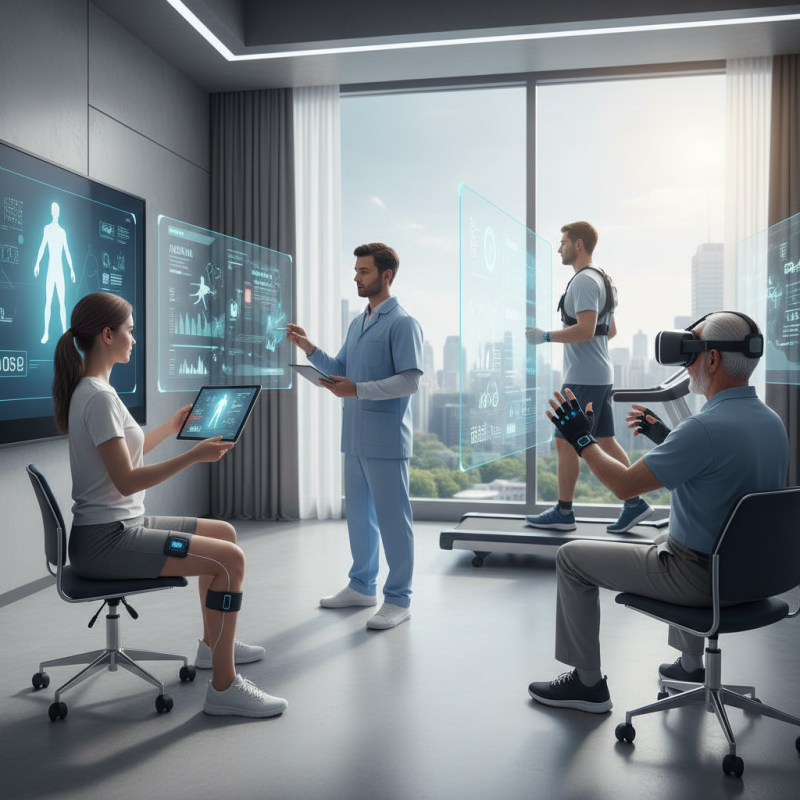
In recent years, the rise of smart technology has transformed various sectors, including healthcare. This transformation particularly benefits patient rehabilitation. But how does smart technology improve patient rehabilitation outcomes? The answer lies in its ability to provide tailored support and interaction. Features like wearable devices track progress, allowing for data-driven decisions. Interactive applications engage patients more, which can motivate them throughout their recovery.

Smart technology also enhances communication between patients and healthcare providers. Real-time feedback helps in adjusting rehabilitation plans quickly. However, challenges remain. Not all patients may adapt to these technologies, impacting overall effectiveness. Some may find tech frustrating or overwhelming. It's essential to consider all patients’ needs when implementing such solutions.

As we explore how smart technology enhances patient rehabilitation success, we must recognize both its potential and limitations. This balanced perspective will help optimize the integration of technology into rehabilitation practices. After all, patient comfort and engagement are critical to improving recovery outcomes. The journey is ongoing, and continuous adaptation is key to success.
How Smart Technology Enhances Patient Rehabilitation Success?

The Role of Smart Technology in Modern Patient Rehabilitation

Smart technology is transforming patient rehabilitation in remarkable ways. Systems like wearable devices and mobile applications allow healthcare providers to track patient progress in real time. These innovations help therapists adjust treatment plans based on accurate data. However, the integration of technology isn't always flawless. Some patients may feel overwhelmed by constant notifications or struggle with device usability.

In modern rehabilitation settings, the role of smart technology extends beyond measurement. It also fosters patient engagement. Interactive platforms can provide exercises tailored to individual needs. Patients often find motivation in gamified experiences, which can make rehabilitation feel less daunting. Nevertheless, not all patients respond positively to these methods. Personalization remains a crucial aspect, and what works for one may not work for another.

Accessibility is a vital consideration. While many smart devices are user-friendly, some patients may lack the necessary tech skills. This gap can lead to frustration and hinder progress. Therapists must address this by providing adequate training and resources. The road to successful rehabilitation is complex and requires a thoughtful approach to technology use. Solutions exist, but we must remain vigilant in refining them.

How Smart Technology Enhances Patient Rehabilitation Success?

Rehabilitation Modality Technology Used Patient Engagement Outcome Measurement Success Rate (%)
Physical Therapy Wearable Sensors High Real-time Tracking 85
Occupational Therapy Virtual Reality Medium Patient Feedback 78
Speech Therapy AI-driven Apps High Voice Analysis 90
Recreational Therapy Mobile Applications Low Activity Logs 65
Post-operative Care Telehealth Platforms High Follow-up Surveys 82

Types of Smart Technologies Used in Rehabilitation Practices

Smart technology has transformed rehabilitation practices significantly. Various tools and devices now play a crucial role in patient recovery. One prominent type of technology is wearable devices. These gadgets monitor vital signs and activity levels. Their real-time data helps healthcare providers tailor rehabilitation plans to individual needs.

Another significant advance is virtual reality (VR). VR offers immersive environments for physical therapy. Patients engage in simulations that mimic real-life activities. This approach makes therapy enjoyable and can boost patient motivation. Interactive gaming systems are also emerging in rehabilitation. They combine physical tasks with gaming elements. This combination encourages participation, making exercises feel less tedious.

Challenges remain in adopting smart technologies. Not all patients can access or understand these tools. There may be a learning curve for both patients and providers. Some technologies may not fit every individual's needs. Continuous evaluation and adaptation are necessary to ensure effectiveness. As technology evolves, so must our approaches to rehabilitation. Embracing these tools requires careful consideration and commitment.

Impact of Wearable Devices on Patient Monitoring and Feedback

Wearable devices have transformed patient monitoring and feedback into real-time, interactive experiences. These small gadgets collect crucial data on heart rate, activity levels, and sleep patterns. This information allows healthcare professionals to tailor rehabilitation programs specifically for each patient. For instance, a physical therapist can analyze variations in a patient's mobility through precise data from a wristband. This personalized feedback can inspire patients to stay committed to their recovery plans.

Not all feedback is beneficial, however. Patients may feel overwhelmed by constant data streaming. Too much information can lead to anxiety rather than motivation. It’s essential to strike the right balance. Health professionals must help patients interpret these metrics meaningfully. Some might find the numbers intimidating or confusing. Education on wearable technology is critical. Both patients and practitioners need confidence in the data to facilitate trust and progress.

As wearables improve, they showcase how technology can aid rehabilitation. Yet, there is a need to ensure patients engage positively with these devices. Fostering a supportive environment is vital for this integration. Organizations should provide training sessions. Encouraging open dialogue about technology's role can prevent miscommunication. Only then can wearable devices truly enhance the rehabilitation journey.

Integrating Virtual Reality in Rehabilitation Programs

Virtual reality (VR) is transforming how rehabilitation programs engage patients. Research indicates that immersive VR experiences can increase patient motivation and participation, crucial factors for successful rehabilitation. A study published in the Journal of NeuroEngineering and Rehabilitation revealed that 85% of participants showed improved outcomes when utilizing VR compared to traditional methods.

Using VR in rehabilitation programs allows for a personalized approach. Patients can practice motor tasks in a safe, controlled environment. Data from the American Physical Therapy Association supports the effectiveness of this method. It highlights that VR can reduce recovery time by up to 30% for certain injuries.

However, challenges remain. Not all patients adapt well to VR. Some experience discomfort or disorientation, making sessions less effective.

Integrating VR also requires additional training for therapists. They must be equipped to handle the technology and interpret results accurately. According to a report by the International Journal of Rehabilitation Research, about 25% of therapists feel unprepared to implement VR in their practice. This gap needs addressing to maximize the potential benefits.

Overall, while VR offers promising advancements, continual assessment and adaptation are necessary for its integration into rehabilitation.

Future Trends in Smart Technology for Enhancing Rehabilitation Outcomes

The future of rehabilitation is closely tied to smart technology. Recent studies indicate that integrating tools like wearables and mobile applications can improve patient outcomes. In 2022, a report showed that about 75% of rehabilitation clinics have adopted some form of smart technology. This shift is driven by the growing need for personalized care. These innovations allow practitioners to monitor patient progress in real time.

One fascinating trend is the use of virtual reality (VR) in therapy. VR can simulate real-world challenges, helping patients practice their skills in a safe environment. Data from a 2023 meta-analysis highlighted that VR therapy can enhance motor function recovery by nearly 40%. That said, not all patients respond equally to this tech. Adapting to the technology requires a learning curve for both patients and clinicians.

Alongside VR, artificial intelligence (AI) is reshaping rehabilitation strategies. By analyzing large datasets, AI can provide personalized treatment plans. However, some health experts raise concerns about the over-reliance on tech. Balancing human expertise with technological advances remains crucial. As we advance, understanding these tools is essential for both effective rehabilitation and patient trust in the system.

How Smart Technology Enhances Patient Rehabilitation Success

FAQS

: How is smart technology helping patient rehabilitation?

: Smart technology allows real-time tracking of patient progress, enabling tailored treatment plans by healthcare providers.

What role does engagement play in modern rehabilitation?

Engaging patients through personalized exercises and gamified experiences can enhance motivation and improve rehabilitation outcomes.

Are all patients responsive to smart technology in rehabilitation?

Not every patient responds positively; individual preferences influence their experience and motivation with technology.

How can accessibility issues affect rehabilitation outcomes?

Patients lacking tech skills may feel frustrated, which can hinder their progress in rehabilitation programs.

What does VR bring to rehabilitation programs?

VR offers immersive experiences that can enhance motivation and engagement, leading to better rehabilitation results.

Are there any challenges associated with using VR in rehabilitation?

Some patients may feel discomfort or disorientation during VR sessions, which can reduce their effectiveness.

Do therapists feel prepared to use VR technology?

Many therapists, about 25%, feel unprepared to implement VR, indicating a need for additional training and resources.

How much can VR reduce recovery time?

VR can potentially shorten recovery time by up to 30% for certain types of injuries, according to research findings.

Is continuous assessment necessary when using smart technology?

Yes, continual assessment is essential to refine and adapt technology for effective rehabilitation strategies.

What is crucial for the successful integration of technology in rehabilitation?

The integration requires a thoughtful approach, including addressing individual patient needs and providing adequate support.

Conclusion

Smart technology plays a pivotal role in enhancing patient rehabilitation outcomes by providing innovative tools and methods to support recovery. The integration of various smart technologies, such as wearable devices and virtual reality, allows for real-time monitoring and personalized feedback, which are crucial in the rehabilitation process. Wearable devices facilitate continuous assessment of a patient's progress, ensuring that rehabilitation programs are tailored to individual needs and can adapt as required.

Moreover, virtual reality immerses patients in engaging environments that encourage movement and motivation during therapy sessions. These technologies not only improve patient engagement but also foster a more effective healing experience. As we look to the future, the evolution of smart technology promises to further transform rehabilitation practices, leading to even greater successes. Ultimately, one must ask: "How does smart technology improve patient rehabilitation outcomes?" By leveraging these advanced tools, the effectiveness and efficiency of rehabilitation programs are significantly enhanced, paving the way for better recovery results.

Mason

Mason

Mason is a seasoned marketing professional with a deep expertise in the company's offerings and a passion for driving brand awareness. With a strong background in digital marketing strategies, he has an innate ability to connect with diverse audiences and effectively communicate product benefits.......