Gray Medical
In the growing healthcare industry, understanding "How to ensure compliance with medical waste disposal regulations?" is crucial. Dr. Emily Carter, a leading expert in environmental health, emphasizes, "Proper disposal of medical waste is not just a legal obligation; it’s our moral responsibility." The rising complexity of regulations means that healthcare facilities must stay vigilant.
Effective compliance starts with proper training. Staff must understand how to categorize waste correctly. This prevents many common errors. Regular audits can help identify gaps in procedures. "Paperwork can be tedious, but it's necessary," Dr. Carter states. Proper documentation ensures accountability and transparency.
In addition, facilities should invest in reliable waste disposal partnerships. Choosing a certified service company is vital. However, not all companies adhere to the same standards. Continuous evaluation of these partnerships is essential. Overall, while the path to compliance is clear, it is filled with challenges that require constant attention and effort.
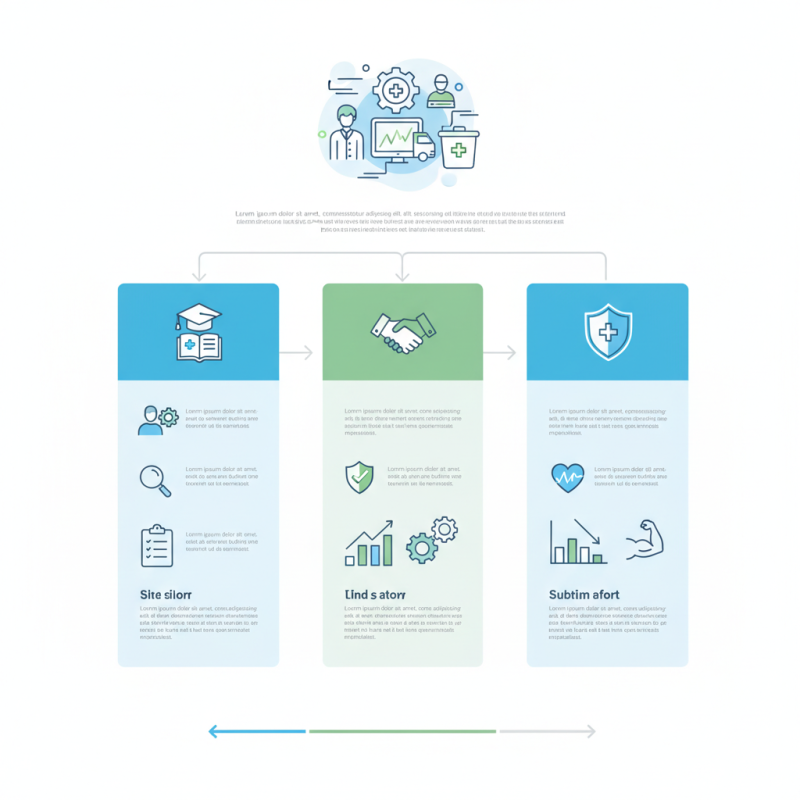
Medical waste disposal regulations are vital to public health and environmental safety. In the United States alone, approximately 3.2 million tons of medical waste are generated each year. This waste includes items such as sharps, linens, and infectious materials. Each type requires specific disposal methods to prevent contamination and ensure compliance with local, state, and federal guidelines.
Understanding these regulations is crucial for healthcare facilities. Training staff on proper waste segregation plays a key role. For instance, a report by the Environmental Protection Agency (EPA) indicates that improper segregation can lead to up to 25% of regulated medical waste being sent to landfills. Facilities must evaluate their practices regularly. Many are unaware of how much waste they generate or how it should be handled. Conducting audits can shed light on inefficiencies and areas for improvement.
Education also promotes accountability. Some facilities have adopted green initiatives, aiming to recycle more than 20% of their waste. However, the challenge lies in maintaining these standards amidst busy operations. By fostering a culture of compliance and awareness, healthcare providers can effectively navigate the complex landscape of medical waste regulations. The goal is not just to comply but to ensure the safety of both workers and the community.
Medical waste is a critical issue that requires diligent management. In the healthcare sector, several types of waste fall under this category. Infectious waste, made up of used sharps, cultures, and human tissues, poses a significant risk. According to the World Health Organization, about 15% of medical waste is hazardous. These materials must be segregated and disposed of correctly to reduce the risk of infection and contamination.
Another category is pharmaceutical waste, which includes expired medications and chemotherapy drugs. Improper disposal of these substances can lead to environmental harm and public health risks. A recent report from the Environmental Protection Agency highlighted that over 70% of healthcare facilities struggle with complying with pharmaceutical waste regulations. This gap emphasizes the need for proper training and protocols in waste management practices.
Non-hazardous waste, although less risky, still requires careful attention. It often makes up to 85% of the total medical waste generated. While many facilities prioritize hazardous waste, overlooking general waste management can lead to operational inefficiencies. Continuous education on best practices is essential. Engaging staff through training sessions can bridge knowledge gaps and enhance compliance with disposal regulations.
Understanding different types of medical waste and their management is crucial for effective compliance with disposal regulations. The chart above illustrates the volume of various medical waste types, helping organizations prioritize their waste management strategies.
Establishing proper disposal procedures for medical waste is crucial. Begin by identifying the types of waste generated in your facility. Common categories include sharps, infectious waste, and pharmaceuticals. Each type requires specific handling techniques. Knowing these classifications ensures compliance with regulations.
Create a detailed plan outlining each step of the disposal process. Assign responsibilities to staff members. This fosters accountability. Regular training sessions can help reinforce best practices. Staff may forget guidelines over time. Frequent refreshers can mitigate this risk. Document these training sessions for future reference.
Monitoring is vital. Regular audits can reveal weaknesses in your procedures. Learn from these findings. Adjust your plan accordingly. Fostering an open culture about mistakes can lead to improvements. Involving employees in the review process encourages ownership and compliance.
| Tip No. | Tip Description | Compliance Level | Implementation Steps |
|---|---|---|---|
| 1 | Conduct a Regular Waste Audit | High | Identify waste types and amounts, analyze disposal methods. |
| 2 | Educate Staff on Waste Segregation | High | Provide training sessions and manuals on proper segregation. |
| 3 | Use Color-Coded Bins | Medium | Implement different colored bins for various waste types. |
| 4 | Maintain Detailed Logs of Waste Disposal | Medium | Keep track of dates, types, and amounts of waste disposed. |
| 5 | Partner with Licensed Waste Disposal Companies | High | Ensure they follow all local and national regulations. |
Training staff on medical waste compliance is crucial for any healthcare facility. Clear guidelines must be established. Start with a detailed introduction to the types of medical waste. This includes sharps, infectious waste, and chemical waste. Use simple language to ensure everyone understands the categories.
Hands-on training is essential. Arrange workshops where staff can learn by doing. Proper waste segregation is vital. Use color-coded bins for easy identification. Explain the consequences of non-compliance, including legal repercussions and health risks. Use case studies to illustrate the importance and impact of proper practices.
Regular refreshers can improve compliance levels. Schedule monthly meetings to address concerns and review protocols. Encourage staff to share their experiences and ask questions. Creating an open dialogue fosters a culture of safety and responsibility. Each employee plays a role in protecting patient health and the environment. It’s essential to recognize that mistakes may happen. Reflection on past errors can lead to better practices in the future.
Monitoring and reporting compliance in medical facilities is crucial for effective medical waste disposal management. According to the Environmental Protection Agency (EPA), healthcare facilities produce around 6 million tons of medical waste annually. Only a fraction of this waste is properly managed, highlighting a significant compliance gap. Regular audits and training for staff increase awareness of disposal protocols, ensuring that waste is handled correctly.
Technological advancements provide tools to enhance monitoring efforts. For instance, software systems can track waste generation and disposal processes in real-time. The implementation of these systems resulted in a 30% reduction in non-compliance incidents in hospitals, as noted in a recent industry study. However, many facilities still struggle with complete implementation. Staff turnover and inconsistent training programs hinder compliance efforts.
Regular reporting is not merely a regulatory requirement; it builds a culture of accountability within healthcare teams. Facilities must document waste disposal practices and review incident reports to identify areas for improvement. Engaging staff in these practices cultivates a sense of ownership, though many healthcare workers still exhibit a lack of understanding regarding the importance of accurate reporting. This gap must be bridged for effective waste management.
: They protect public health and the environment by ensuring safe handling of waste.
Common types include sharps, linens, and infectious materials.
Approximately 3.2 million tons are generated each year.
Proper training prevents contamination and ensures compliance with regulations.
Up to 25% of regulated waste might end up in landfills.
Regular audits are necessary to identify inefficiencies and improve handling.
It's difficult to uphold standards during busy operations.
Practical workshops help staff understand and apply waste segregation effectively.
It encourages responsibility and allows staff to share concerns and experiences.
Reflecting can aid in developing better practices and preventing future errors.
The article "2026 Best Tips for Complying with Medical Waste Disposal Regulations" provides comprehensive insights into how to ensure compliance with medical waste disposal regulations. It begins by outlining essential regulations surrounding medical waste, distinguishing key types of medical waste and their respective management protocols. A step-by-step guide is presented to help institutions establish effective disposal procedures that align with legal requirements.

In addition, the article emphasizes the importance of training staff on waste compliance, offering best practices to enhance understanding and adherence to regulations. Finally, the discussion includes methods for monitoring and reporting compliance within medical facilities, ensuring ongoing accountability and safety in waste management practices. By following these structured approaches, healthcare facilities can significantly improve their compliance with medical waste disposal regulations.